A Complete Manual of T-shirt Printing Technology: The Technological Revolution from Glue Paste to 3D Printing
In the trend industry, the difference in printing techniques can cause the price of the same T-shirt to vary by 40 times. According to data from the Global Textile Printing Association, the digital printing market size is expected to exceed 28 billion US dollars in 2024, while traditional screen printing still holds a 65% market share. This article will deeply analyze the underlying logic of 12 printing techniques, helping you understand the essential difference between a 20-yuan affordable T-shirt and one priced at 2,000 yuan.
I. Basic Printing Process Matrix
- Glue paste screen printing (Basic Model)
- Process features: Plastic ink is scraped and pressed through a screen
- Cost range: ¥3- ¥15 per piece (depending on the number of colors)
- Thickness parameter: 0.2-0.5mm
- The lifespan shortcoming is that the cracking rate exceeds 60% after 50 washes
- Water-based ink printing (Advanced Version)
- Penetration advantage: The pigment penetrates into the interior of the fiber
- Tactile performance: Thickness < 0.1mm
- Environmental protection indicators: Certified by OEKO-TEX®
- Youdaoplaceholder6 represents brand: Uniqlo UT series
- Heat transfer printing (Internet Celebrity bestseller)
- Technical principle: High-temperature hot stamping of transfer film
- Market chaos: Inferior transfer films curl up after just five washes
- Cost trap: For every 10cm² increase in pattern area, the cost increases by 30%
·
Ii. Decoding of Special Printing Techniques
- Foam printing (3D effect)
- Youdaoplaceholder0 Three-dimensional parameters: Expansion height 1-3mm
- Temperature sensitive: Collapse may occur when the temperature exceeds 120℃
- Industry benchmark: Special craftsmanship for the Supreme Box Logo
- Luminous printing (Black Technology version)
- Luminescence duration: Rare earth materials can continuously emit light for 8 hours
- Technological breakthrough: Washable formula to be launched in 2024
- Military application: Marking technology for US military combat uniforms
- Temperature-variable Printing (Interactive Version)
- Color threshold: Color change begins at 38℃
- Cycle count: High-quality ink can withstand 200 temperature changes
- Black technology: Liquid crystal temperature-changing ink developed in Japan
Iii. Printing Process
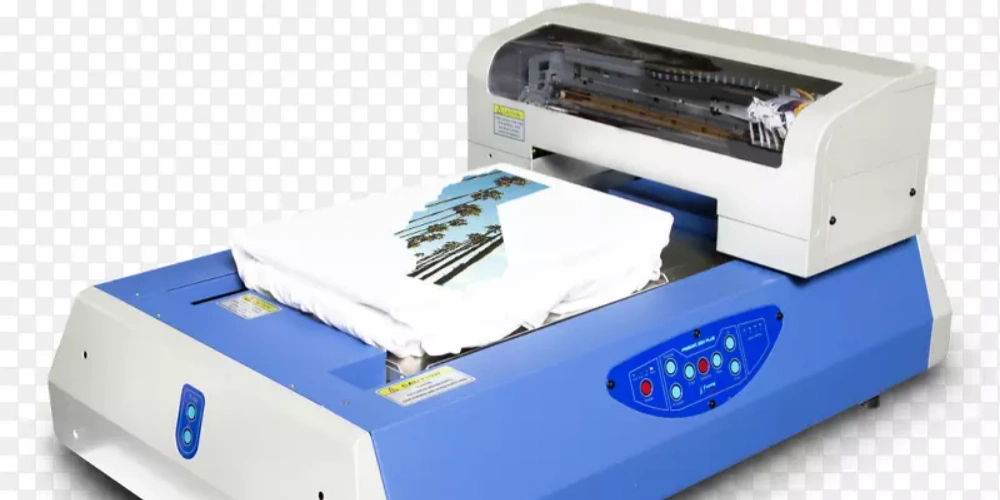
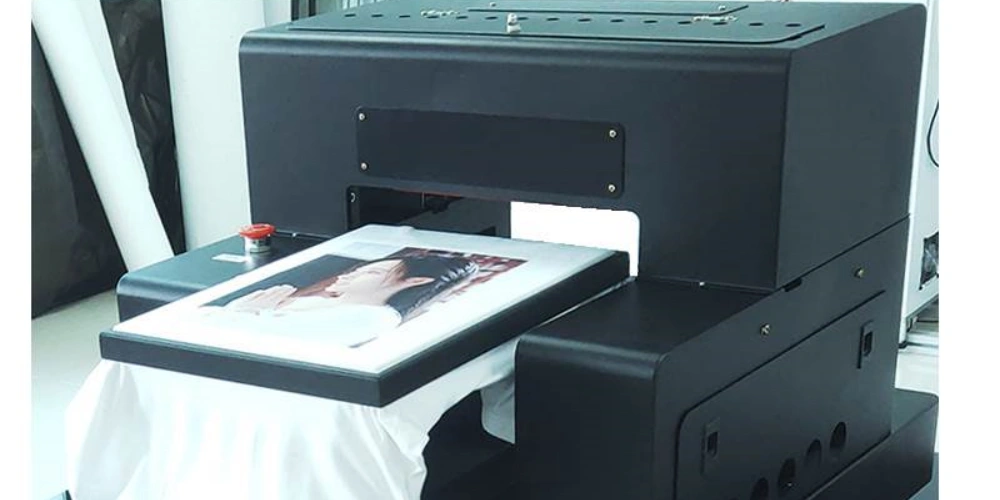
- Digital Direct Injection (DTG
- Precision revolution: 1200dpi high-definition output
- Cost structure: ¥25- ¥80 per piece (depending on resolution)
- Technical limitations: Dark fabrics require pre-treatment
- Screen printing + digital hybrid printing
- Combined advantages: background color silk screen + detail digital
- Luxurious Case: Gucci Artist Collaboration Series
- Cost-effectiveness: It saves 40% of the cost compared to pure digital products
Iv. Future Printing Technology
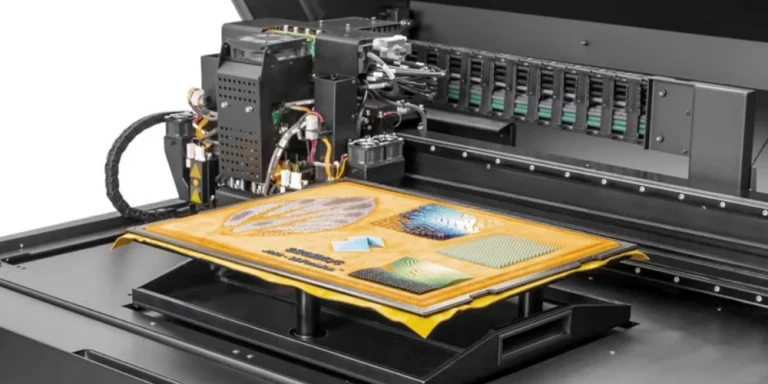
- 3D relief printing
- Three-dimensional accuracy: 0.01mm layer thickness control
- Material Innovation: Washable elastic resin
- Application scenario: Balenciaga 2025 show collection
- Electronic ink printing
- Technical parameters: Can withstand 500 bends
- Energy consumption performance: Pattern refresh only requires 0.3W
- Concept product: Tesla employee T-shirt·
V. Quality Identification Guidelines
- .5-second detection method
- Edge test: Quality print sawtooth < 0.3mm
- Tensile test: The pattern can be stretched by 20% without breaking
- Friction test: No peeling after 50 dry friction cycles
- Professional maintenance plan
- Turning machine wash: water temperature ≤30℃
- Drying taboos: Avoid direct sunlight
- Ironing technique: Place a cloth at a low temperature (< 110℃)
Industry Insight: A T-shirt made with a digital + screen printing hybrid process can have a pattern lifespan eight times longer than that of ordinary glue printing. When Off-White’s industrial-style prints are priced 40 times higher, what consumers pay for is not only the design but also the technology that breathes through 200 micro-holes per square centimeter. The next time you make a purchase, please use the macro lens of your mobile phone to observe those craftsmanship details that are hard to distinguish with the naked eye – this is the key to differentiating fast-moving consumer goods from artworks.