
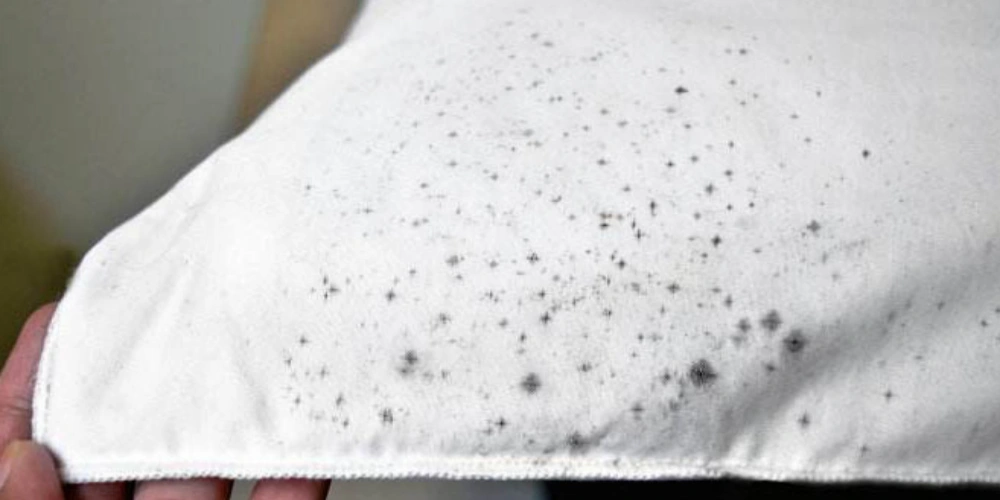
How to deal with moldy textiles? What are the anti-mold cleaning methods for textile items
Mold growth is a common occurrence. Many items are prone to mold when placed in dark and damp areas. In recent years, it has been frequently seen that textile ribbons in factories have become moldy. Textile products are highly susceptible to microbial invasion. It has been confirmed that fungi, bacteria, yeasts, and algae can all survive in textiles. Once mold occurs, it is very likely to cause permanent loss of color of textile items and even economic damage. According to the introduction of the causes of mold on textiles and the anti-mold solutions by ihaoer’s anti-mold experts, the following are
Tools/Raw Materials
Rubber gloves, masks
Textile fungicides, textile cleaners
Factors contributing to the mold growth of textiles
The fiber content of the textile itself: All fibers support the growth of microorganisms. Among them, natural fibers are more vulnerable to mold than artificial fibers. Microorganisms produce enzymes that convert cellulose into soluble sugar metabolites, but protein fibers (for example: Wool and silk are relatively less vulnerable to attack, but fungi that like keratin can feed on them and also damage the fibers.
Process operation: After textile items pass through hands, some palms may sweat, or if they are not wiped dry in time during hand washing, the sweat in human hands itself contains oil, bacteria, and moisture, all of which are nutrients for mold.
Textile storage environment: Humidity and temperature are important factors affecting the germination of mold spores. When the humidity is greater than 50%, the growth rate of mold spores significantly accelerates. Generally speaking, above 24℃(75°F), mold spores become increasingly active as the temperature rises
The PH value of textiles: The pH value of textiles can affect the growth of bacteria and fungi attached to their surface. Microorganisms can only survive in acidic or alkaline conditions with a pH of 4 to 9.
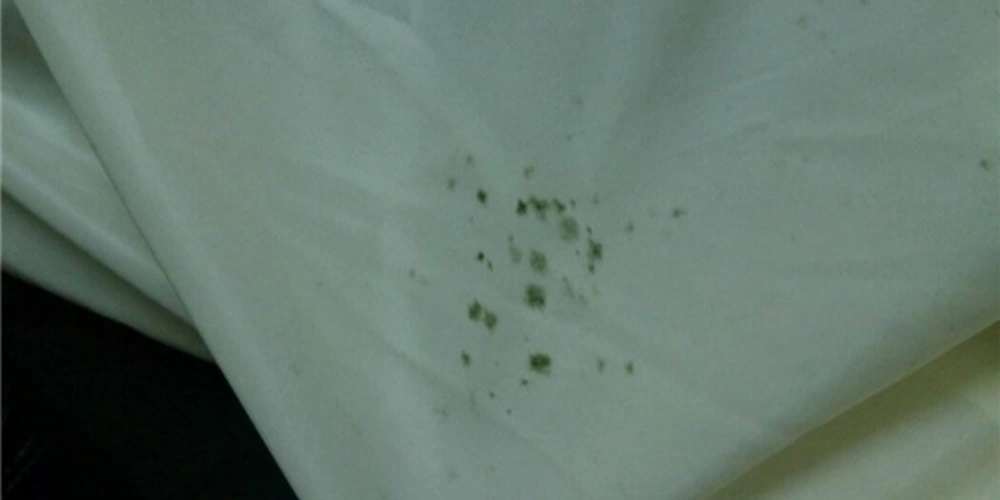
Methods for dealing with mold on textiles
We put on rubber gloves and masks, prepare a soft-bristled brush, and gently sweep the moldy dust and mold off the surface of the moldy textile items with the brush. If there are stubborn mold spots remaining on textile items that cannot be removed, spray a textile cleaner on the surface of the textile items and then gently wipe them. The mold spots will disappear with the naked eye.
Textile anti-mold solution
.Textile fungicides can be used to treat textiles and webbing products, allowing the fungicides to bond to the leather of the products. On the surface of the fabric, a mechanical-like method is used to Pierce the cell membranes of bacteria, thereby killing them. Mold, control. Eliminate odor. Stain. Textile fungicide is a non-release type of antibacterial agent. It will not consume its effective and long-lasting performance due to the killing of microorganisms. Its service life is as long as that of the product. It has good adhesion to almost all substrates, including natural or synthetic fibers. Genuine leather and artificial leather.
.It is necessary to keep the workshop environment well-ventilated and dry. Items should be neatly arranged and not directly piled on the floor, as the floor is prone to dust mites and is damp. They should also not be placed against the wall, at least 50 centimeters away from it.
After being treated with anti-mold agents for textiles, it is not only to prevent the products from getting moldy during transportation, but mainly to ensure that they do not mold even under harsh weather conditions.4
.For textile items that have already become moldy, the mold should be removed as soon as possible to prevent the further spread of mold spores. The items should be kept dry and the air humidity low. If necessary, anti-mold and moisture-proof bags should be placed inside the packaging bags.

 Mouse Pad Mat